
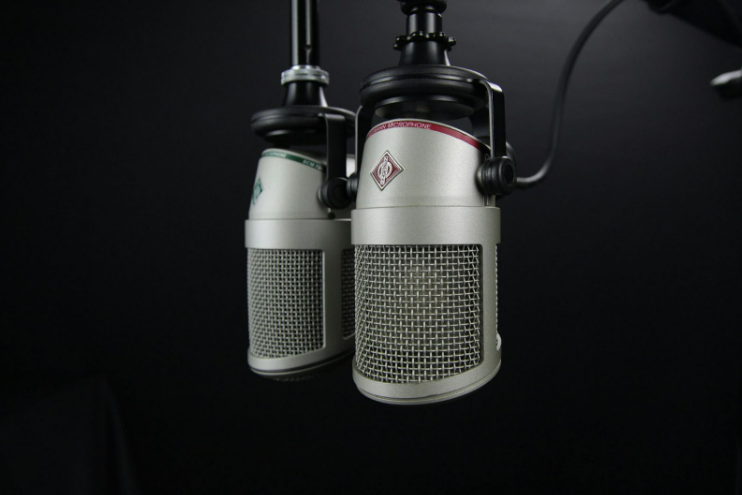
Creative writing, a skill often associated with crafting novels, poems, and short stories, encompasses much more than just the written word. It is the ability to convey ideas in unique, engaging, and expressive ways. One unexpected but powerful avenue for developing creative writing skills is through student radio projects. These platforms provide an opportunity for students to explore and hone their creativity in diverse and dynamic ways, integrating storytelling, narration, and audio production into their work.
The Intersection of Creative Writing and Radio
While creative writing traditionally revolves around written text, radio projects require an entirely different form of communication: auditory storytelling. This shift from written words to spoken language enhances the creative process by challenging students to think differently about how stories are told, emotions are conveyed, and messages are received.
When students create content for student radio, they are not just writing scripts or narrating stories—they are also considering tone, pacing, sound effects, and music, all of which contribute to the atmosphere and emotional impact of the piece. This multilayered approach to storytelling encourages students to explore various writing techniques that they might not otherwise encounter in a traditional writing environment.
Developing strong writing skills through student radio projects not only enhances creativity but also plays a crucial role in academic success. The ability to craft compelling narratives, write clear and engaging scripts, and communicate effectively are essential skills across various disciplines, from literature to science. For students who struggle with their writing, whether it's organizing ideas, improving style, or mastering grammar, seeking support can make a significant difference. In such cases, an assignment helper can provide personalized guidance, helping students refine their writing techniques and gain the confidence needed to excel in both creative and academic contexts. With the right assistance, students can overcome writing challenges and ensure that their skills are aligned with the demands of their coursework and future professional endeavors.
1. Scriptwriting for Radio: Crafting Narratives with Audio in Mind
One of the most direct ways student radio projects foster creative writing is through scriptwriting. Writing for radio is vastly different from writing for the page because it relies entirely on sound to evoke imagery, character, and setting. Students need to craft dialogue that is both natural and evocative, all while avoiding the use of visual cues. They learn to create vivid scenes and character dynamics using only their words and sound.
This exercise teaches students the importance of economy in language. Without the ability to rely on descriptions of actions or settings, students are forced to distill their ideas into the most impactful words, making each sentence count. The process challenges them to think critically about word choice, rhythm, and pacing—skills that translate directly to creative writing.
2. Collaborative Storytelling: Working with Peers to Create Cohesive Pieces
Student radio projects often involve collaboration, where writers, voice actors, sound engineers, and producers work together to bring a story to life. This collaborative environment mirrors the real-world creative process, where writers frequently work with editors, directors, and others to refine and enhance their work.
By working as part of a team, students learn to balance their individual creative visions with the needs of the group. They also develop their communication skills, learning how to give and receive constructive feedback. This fosters a sense of flexibility and adaptability, key traits for any writer. Additionally, collaborating with others broadens their creative horizons, exposing them to different writing styles and perspectives.
3. Developing Dialogue and Characterization
In radio scripts, dialogue is paramount. Students must craft dialogue that not only conveys information but also reveals character and emotion. Writing strong, authentic dialogue helps students develop their voice as writers. Since radio is an auditory medium, every spoken word has to work harder to convey meaning.
Through this process, students become adept at using dialogue as a tool for characterization. They learn how to differentiate characters based on their speech patterns, tone, and vocabulary, much as they would in any other form of writing. This ability to create distinct voices is a skill that is directly transferable to writing for the page, where dialogue often serves as a critical component of character development.
4. Sound Design as an Extension of Creative Writing
One of the unique elements of radio projects is the integration of sound. Beyond words, students learn to use sound effects, background music, and silence to create atmosphere and enhance storytelling. The interplay between speech and sound deepens their understanding of how different elements can evoke emotions and influence the listener’s experience.
For writers, this introduces the concept of pacing and timing in a new way. For example, the timing of a sound effect or the use of silence can build suspense or highlight key moments in the story. Writers develop a keen sense of how the rhythm of a story—both through words and sound—can influence the emotional arc of the narrative.
5. Building Confidence in Public Speaking and Performance
Finally, many student radio projects involve performing live or recording scripts for broadcast. This can be an excellent confidence-building exercise for budding writers who might not otherwise feel comfortable sharing their work. Radio projects offer an outlet for students to practice reading their work aloud, which can reveal new insights into their writing. The process helps them develop an understanding of pacing, intonation, and emphasis—skills that are vital for any writer aiming to bring their work to life, whether on the page or on stage.
Performing their work also encourages students to think about their audience in a more direct way. They must consider how their words will be received, interpreted, and felt, which cultivates a deeper sense of empathy for the audience. This emotional connection is essential for writers who want to engage readers or listeners.
Conclusion
Student radio projects offer a multifaceted approach to developing creative writing skills. By combining writing, collaboration, performance, and sound design, these projects encourage students to think outside the box and experiment with new ways of storytelling. Whether they are crafting evocative dialogue, working with sound to enhance a scene, or learning the art of scriptwriting, students gain valuable skills that will serve them in their creative writing endeavors for years to come. The unique nature of radio storytelling provides a platform for students to explore their creativity, broaden their writing capabilities, and ultimately become more versatile and confident writers.


